
Mitutoyo Sustainability Report 2025
Voluntary ESRS-aligned sustainability report for Mitutoyo Europe GmbH covering governance, climate, workforce and business conduct disclosures for the 2025 financial year.
- Období reportu
- 2025
- Publikováno
- 31. prosince 2025
- Odpovědné oddělení
- Business Management Support Division
Tento obsah zatím není dostupný ve vašem jazyce.
In our responsibility
Dear Sir or Madam, dear Readers,
With this summarized voluntary sustainability report, we provide you with an insight into our measures, progress and goals to date in responsible corporate governance. Although we are not currently subject to any legal reporting requirements, we already comply with the provisions of the Corporate Sustainability Reporting Directive (CSRD). Our aim is to create transparency, enable comparability and lay the foundations for future requirements at an early stage.
We see sustainability as an essential part of our corporate strategy. It includes environmental responsibility, social responsibility towards our employees and partners, and securing our economic performance. Our aim is to continuously develop sustainable practices and actively integrate them into our processes. By publishing this report, we want to go beyond the minimum legal requirements and promote open dialogue with our stakeholders. We are convinced that consistently adhering to sustainability principles contributes significantly to the future viability of our company and will continue to expand this approach.
We would like to thank all employees, partners and stakeholders who are shaping this path with us and cordially invite you to continue to accompany us with your critical and constructive input.
Mitutoyo’s contribution to the UN Sustainable Development Goals (SDGs)
Mitutoyo combines economic success with social responsibility and is actively committed to ecological, social and economic sustainability. Our measures make a targeted contribution to achieving the global sustainability goals.

SDG 3 – Health & Wellbeing
Promotion of sustainable well-being of employees through ergonomic workplaces, regular health checks, sports and exercise programs as well as healthy nutrition.
SDG 4 – High-quality education
Sustainable qualification of employees through the Mitutoyo Academy, cooperation with educational institutions, internships and dual study programs, as well as provision of teaching materials and measuring instruments to promote knowledge transfer for the next generation.
SDG 5 – Gender equality
Promoting an inclusive corporate culture in which equality and diversity are central values, e.g. through the targeted development of women in leadership positions.
SDG 7 – Affordable & clean energy
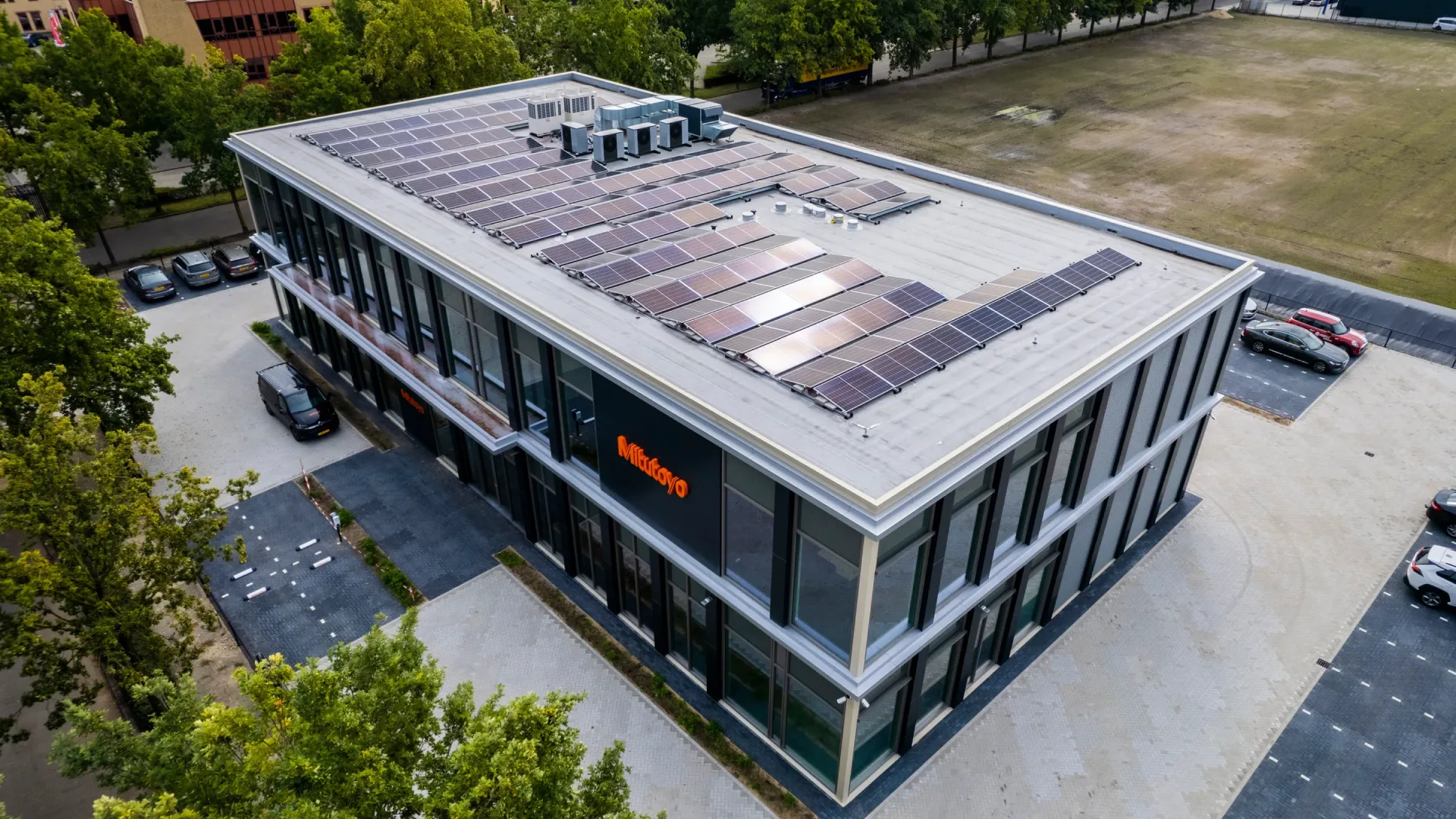
Conversion to 100% green electricity at numerous locations, installation of photovoltaic systems and development of charging infrastructure for electromobility to reduce CO₂ emissions.
SDG 8 – Decent Work & Economic Growth
Creating a fair and inclusive working environment, investing in sustainable employee development and promoting innovation to ensure long-term economic and social growth.
SDG 9 – Industry, Innovation & Infrastructure
Development of energy-efficient, long-lasting measuring devices, integration of IoT and AI technologies for sustainable production and measurement methods, as well as co-operation with research institutions to promote resource-saving innovations.
SDG 12 – Responsible consumption & production
Implement waste management and recycling strategies, develop environmentally friendly products with a long service life, repair and maintenance services to extend product life and minimize resource consumption.
SDG 13 – Climate Action
Implementation of energy-saving measures, switch to LED lighting, intelligent climate control, promotion of environmentally friendly mobility, as well as CO₂ compensation through reforestation projects to reduce the company’s ecological footprint.
With these initiatives, Mitutoyo is making a measurable contribution to a sustainable future in which environmental responsibility, social justice and economic success go hand in hand.
Precision helps our customers avoid waste, save energy and prevent faulty production — precision is in our DNA.
ESRS 2
General Information
BP-1: General principles for the preparation of the Sustainability Statement
This is the first sustainability report of Mitutoyo Europe GmbH (hereinafter referred to as “Mitutoyo”) and has been prepared in accordance with the European Sustainability Reporting Standards (ESRS). At the time of publication, Mitutoyo has no legal obligation to report on sustainability under the Corporate Sustainability Reporting Directive (CSRD). Nevertheless, we have made a conscious decision to proactively address the associated requirements and to publish a voluntary sustainability report.
Mitutoyo Europe GmbH, based in Neuss, Germany, is the European subsidiary of Mitutoyo Corporation, a leading global manufacturer in the field of precision metrology. While the parent company in Japan is responsible for development, manufacturing and strategic product planning on a global scale, Mitutoyo takes on the role of regional coordinator and market shaper for Europe and neighbouring regions, thus acting as an interface between the Japanese headquarters and the European markets.
Mitutoyo is responsible for sales, technical support and services. In addition, Mitutoyo coordinates all sales activities, business strategies, and production and service facilities within Europe. We also take on a coordinating role for the European region in the context of sustainability reporting – on behalf of our Japanese parent company.
The reporting relates to the 2025 financial year and was prepared on a consolidated basis. The scope of consolidation corresponds to that of the financial reporting and includes Mitutoyo Europe GmbH exclusively. In places where information beyond this scope of consolidation is presented, a corresponding reference is made in the report.
GOV-1: The role of administrative, management and supervisory bodies
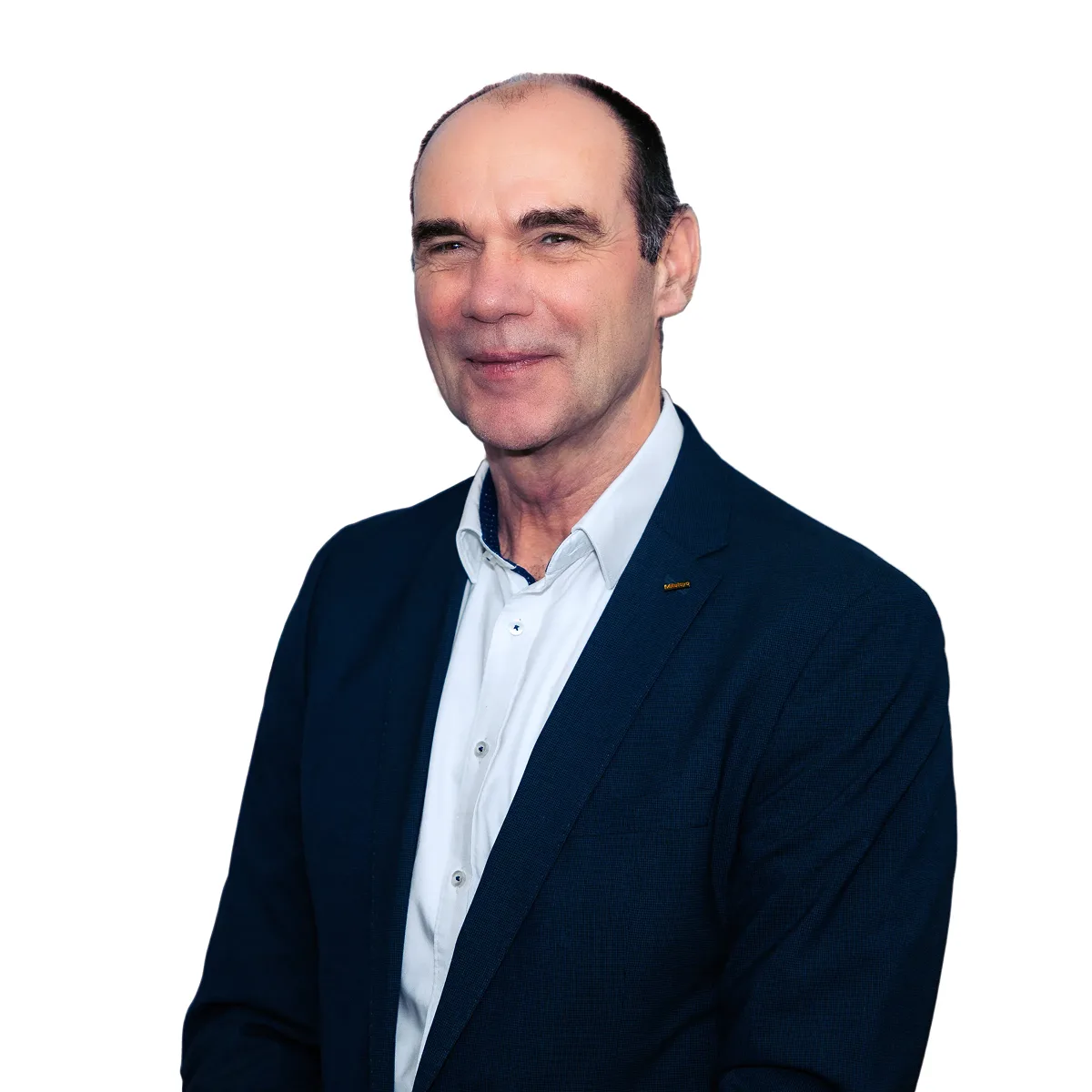
Norbert Keil
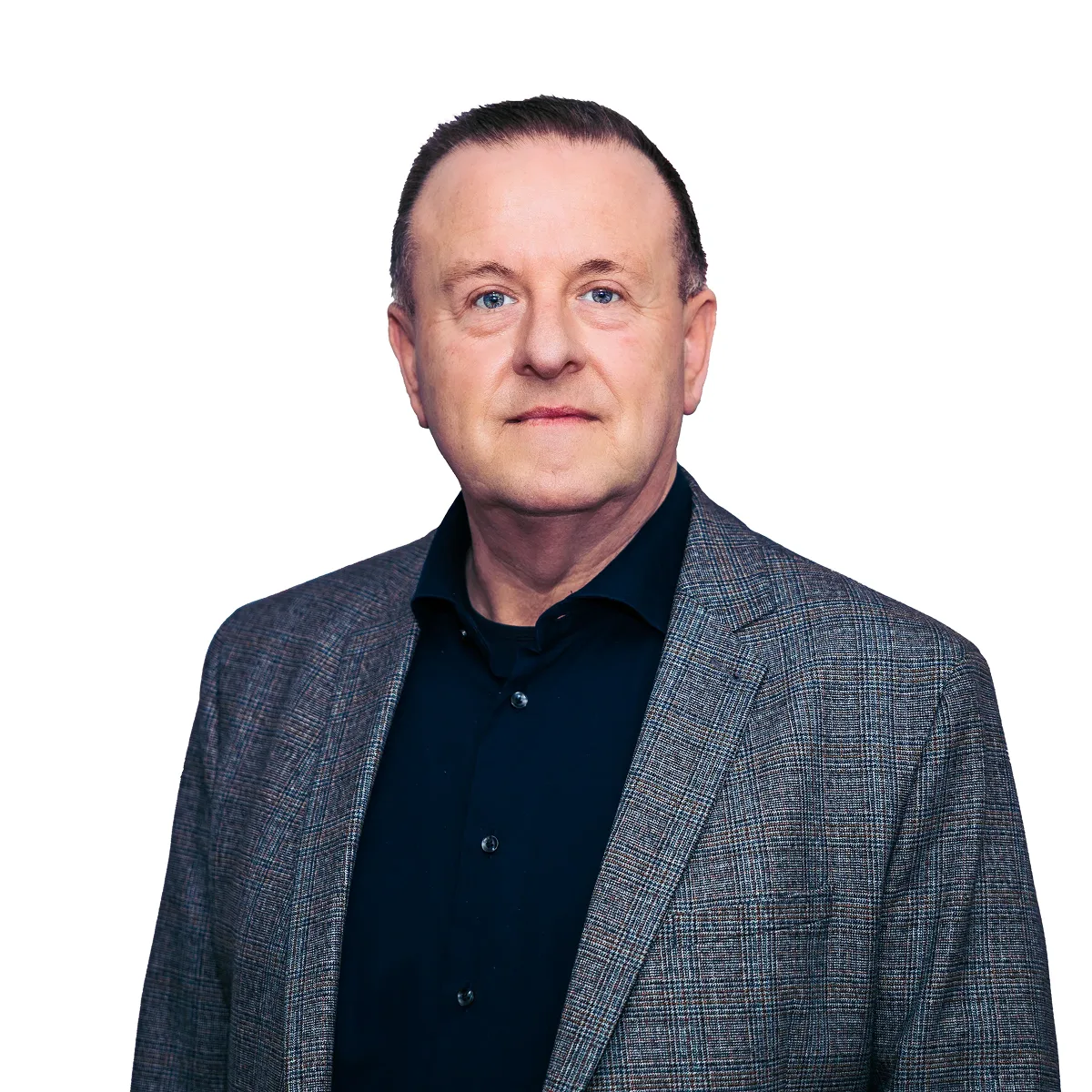
Henk Slotboom
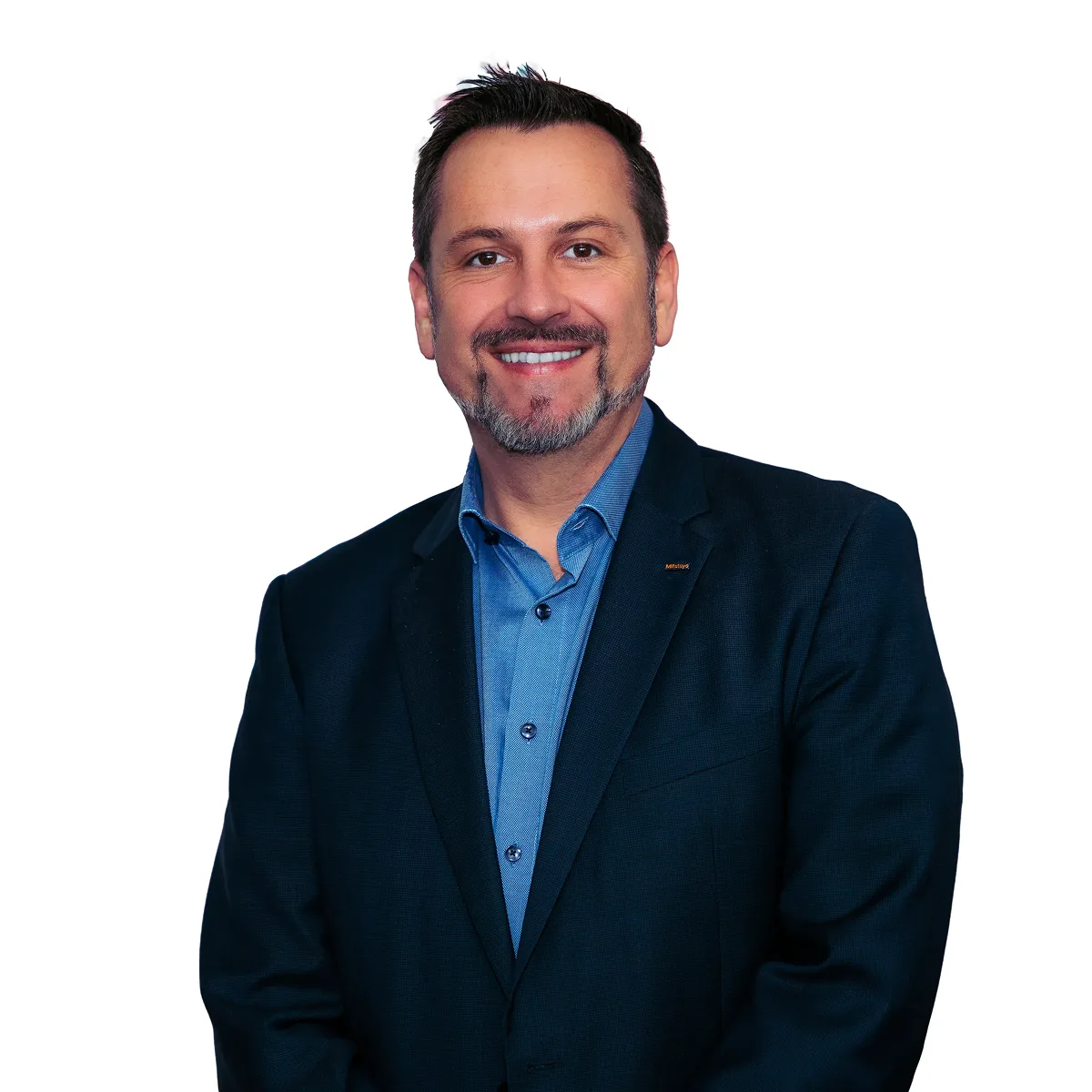
Michael Andessner
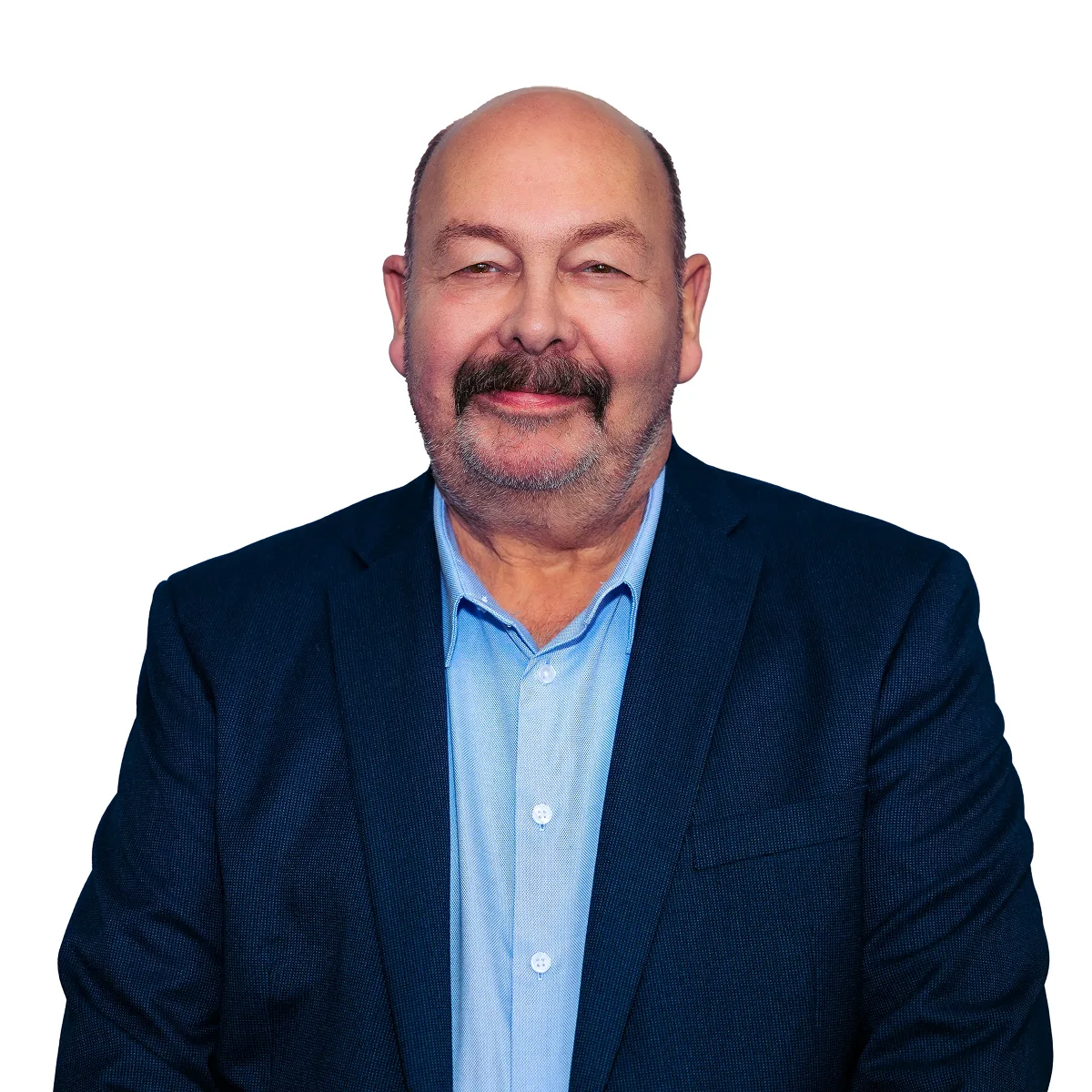
Bruno Lefebvre
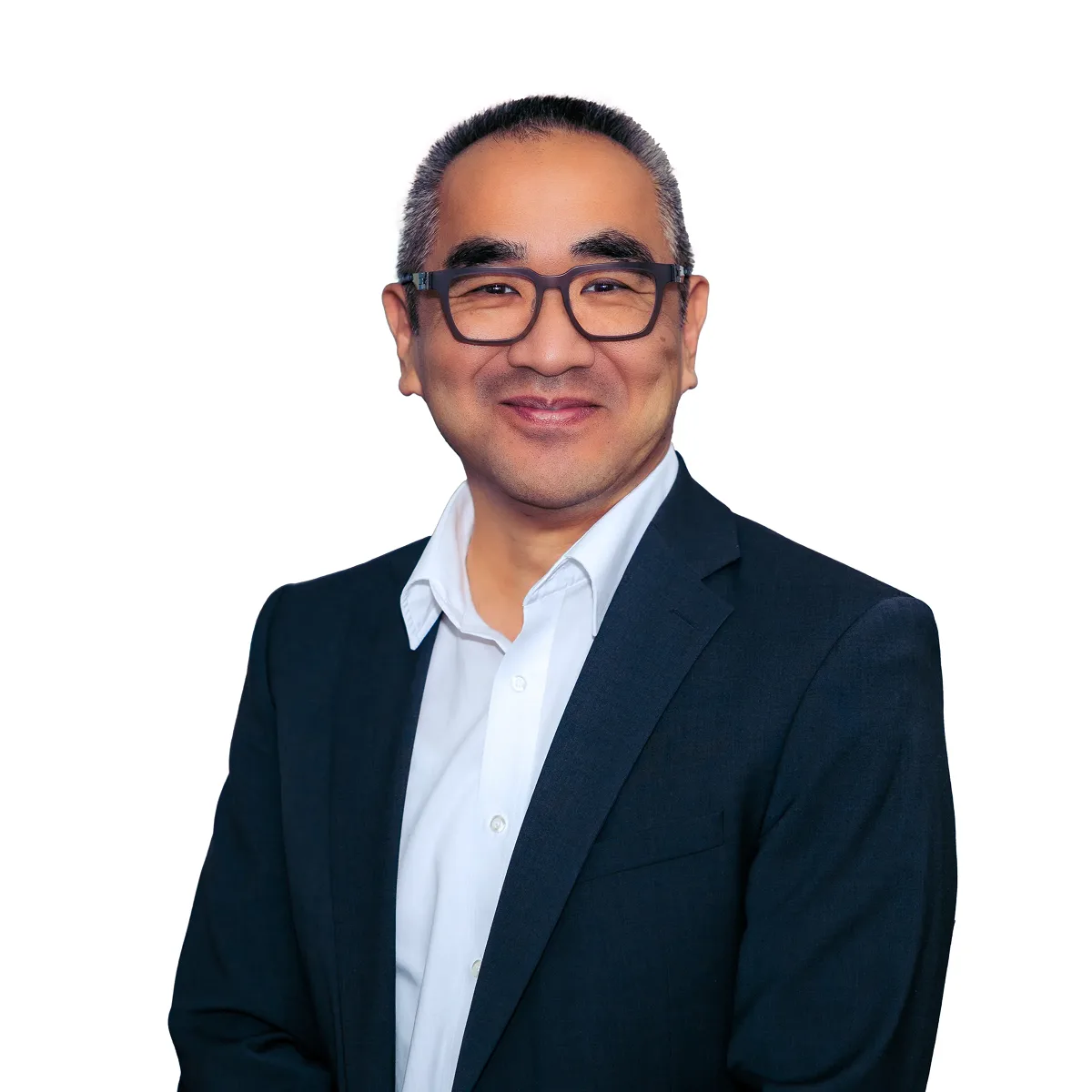
Kenji Takagi
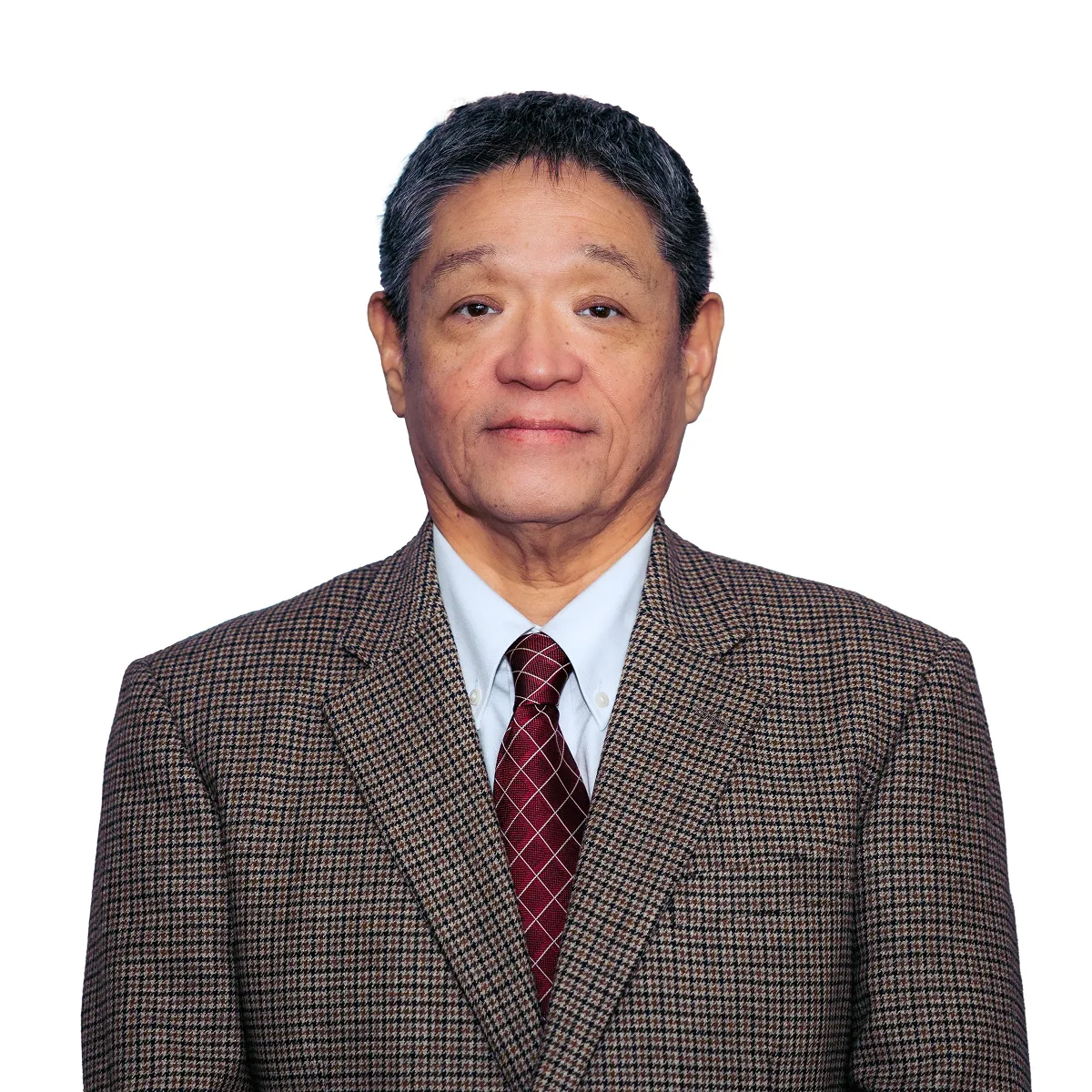
Masahiko Yamamoto
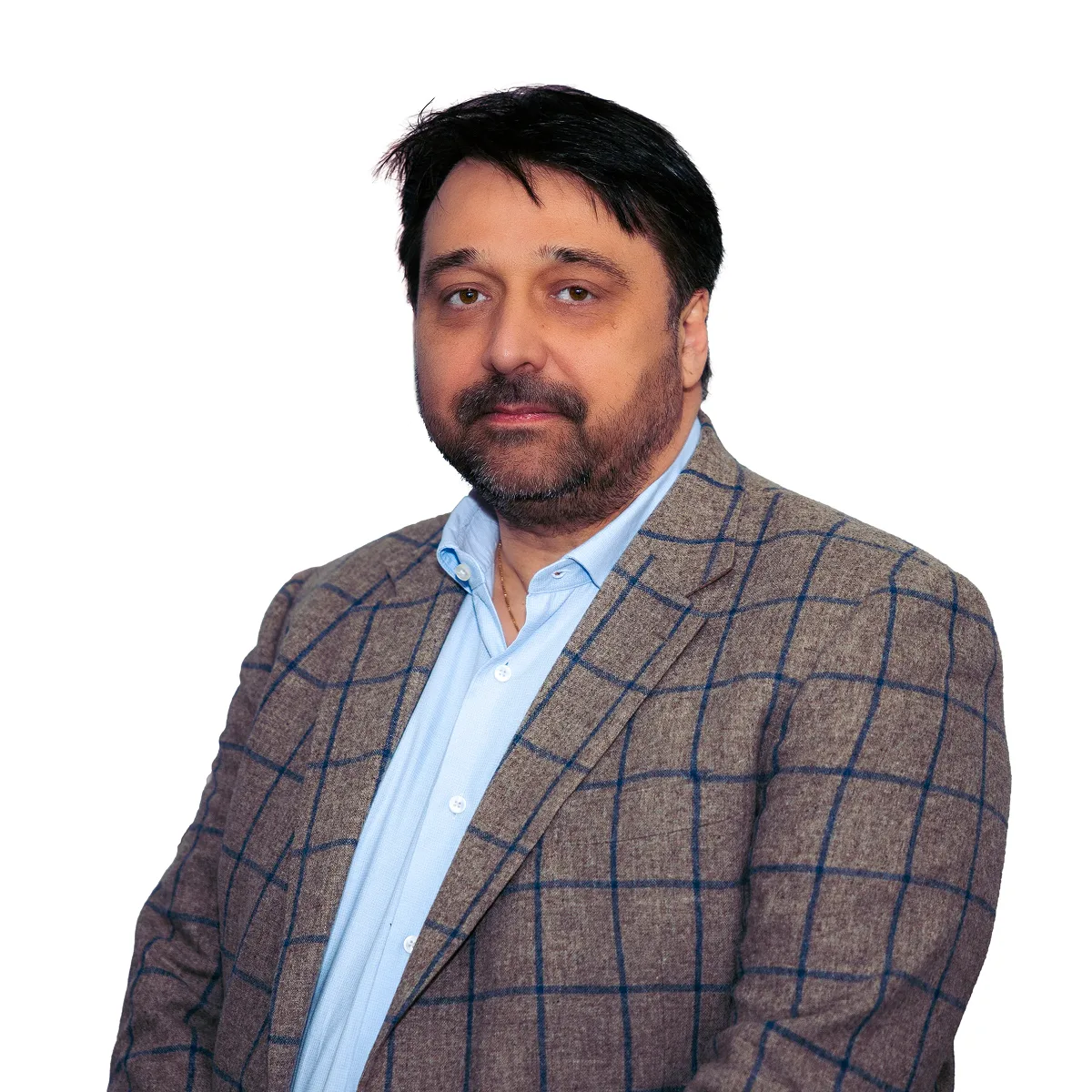
Fabrizio Bolzoni
Mitutoyo has a functionally structured governance system that aims to ensure effective and transparent corporate management with clear responsibilities. Decision-making processes are geared towards long-term value creation with regard to environmental, social and governance (ESG) aspects.
The central administrative, management and supervisory body is the MEU Board of Directors. It bears overall responsibility for the strategic direction of the company – including all governance processes, internal controls and the sustainability strategy. The management is also responsible for systematically identifying opportunities and risks in the context of ESG issues and integrating them into corporate planning.
| Metric | 2025 |
|---|---|
| Number of Executive Members | 6 |
| Proportion of women (%) | 0 |
| Proportion of men (%) | 100 |
| Share Others (%) | 0 |
| Number of non-executive members | 0 |
GOV-2: Information and sustainability aspects addressed by the company’s management
Since 2024, the management has been regularly informed about key sustainability topics by our Sustainability Manager. This reporting is carried out on a quarterly basis, e.g. in MEU board meetings or ad hoc in case of urgent needs.
The focus is on key sustainability impacts, risks and opportunities, the implementation of environmental due diligence obligations and the evaluation of the effectiveness of strategic measures, indicators and objectives.
GOV-3: Inclusion of sustainability-related performance in incentive schemes
At this time, we do not yet have incentive systems at Mitutoyo that take sustainability-related performance indicators into account. The compensation of members of the management board is not tied to specific sustainability goals or impacts. A level of responsibility within the company that decides on the definition or approval of such incentive mechanisms has not yet been determined.
However, we at Mitutoyo recognize the growing relevance of sustainability-related performance incentives for future-oriented corporate management. For this reason, the extent to which such components can be integrated into the remuneration structure in the future is being examined – considering regulatory developments and corporate objectives in the area of sustainability.
GOV-5: Risk management and internal controls of sustainability reporting
Effective risk management is a key component of our corporate governance and forms the basis for long-term stability and success. To systematically monitor all risks relevant to the company, we rely on an integrated risk management system that is firmly embedded in our operational business processes. This system enables us to record risks from the ESG areas in a structured manner, evaluate them regularly and document them transparently.
Our operational risk management, which also covers compliance risks, is closely interlinked with the quality management system. As part of regular management reviews, the current risk assessments are submitted to the management for decision-making. Final approval is given by our President.
Particular focus is placed on critical risks that have both a high probability of occurrence and a significant impact on business activities or sustainability performance. These risks are prioritised and addressed through targeted preventive and reactive measures. In the course of 2025, we will develop specific mitigation strategies for this purpose, which will be directly integrated into our risk management system.
As part of our risk analysis to date, several key risks have been identified:
- Increasing regulatory and customer requirements for the sustainability of products — in terms of recyclability and the use of substances of particular concern (e.g. PFAS), Mitutoyo Japan is investing in research, development and material changes.
- Shortage of skilled workers and intense competition for qualified personnel are leading to rising recruitment and personnel costs and may impair innovation and operational reliability in the medium term.
- Transition to CO₂ neutrality represents another key risk. The transformation of buildings, processes and products requires extensive investment and forward-looking, long-term planning.
By closely integrating risk management and sustainability reporting, we at Mitutoyo want to ensure that the company not only remains resilient to current and future challenges, but can also operate successfully and sustainably in the long term.
SBM-1: Strategy, business model and value chain
Business model and strategy
Our strategic focus goes beyond precision metrology: we offer integrated solutions and services that help customers maintain the highest quality standards and increase efficiency in production. Within Europe, we sell a wide range of products from our Japanese parent company – from calipers to coordinate measuring machines – supplemented by specialized software, service and application expertise. These include calibration, maintenance, training and networked systems for real-time analysis in Industry 4.0 environments. In this way, we create measurable added value in regulated industries such as automotive, aerospace, medical technology, electronics, mechanical engineering, and research and education. Our strong market presence and continuous innovation ensure competitiveness and stable earnings – in the interests of our investors and other stakeholders. We secure qualified jobs, promote know-how and drive sustainable innovation in Europe.
Our business model is based on innovation, competitiveness and market access. Technological advances, automation and digital measurement technology are key drivers. Through targeted R&D investments, university cooperations and patent protection, we are strengthening our market position in the long term. Customer feedback and market analyses – especially in automotive and medical technology – flow directly into product development.
International standards and regulatory requirements are essential for market access. Our compliance team ensures compliance through audits. The supply of raw materials is ensured by our parent company through partnerships, supplier management and risk strategies. The digital transformation opens up new potential: networked systems record production and quality data in real time and enable data-driven optimizations as well as digital services for our customers.
Key economic actors in the value chain
Within our value chain, we work with various players who are central to our business operations. Our suppliers in Japan provide specialized materials and components required to manufacture our products. Our sales channels – consisting of our own subsidiaries and authorized distributors – give us access to different market segments. Our end customers come mainly from:
- Automotive and aerospace: In these sectors, durable and high-precision measurement solutions are essential for quality assurance. Our products help reduce scrap rates and meet sustainability standards.
- Medical technology: Here, our measuring instruments contribute to ensuring the highest safety and efficiency requirements and thus make an indirect contribution to sustainability goals in the healthcare sector.
- Mechanical engineering and industrial manufacturing: Our measurement technology supports the increase in production efficiency, minimizes material waste and promotes resource-saving production.
Product portfolio
Our broad value chain results in a comprehensive portfolio of products and services that is specifically tailored to the requirements of our diverse customer industries. Our solutions thus cover the entire spectrum of precision measurement technology – from mechanical measuring instruments to digital applications and accompanying services. Our portfolio is divided into six main categories:
- Dimensional measuring instruments: These include calipers, micrometers and dial gauges that enable precise length and size measurements. They are essential for industrial applications where the highest measurement accuracy is required.
- Coordinate measuring machines (CMMs): These systems enable precise 3D measurement of complex components and are of central importance, especially in industrial production.
- Surface and contour measuring devices: Our metrology analyzes the roughness and geometry of surfaces to ensure consistently high quality.
- Optical and laser-based measurement technology: Our non-contact testing equipment, including microscopes and laser micrometers, enables high-precision, non-destructive testing.
- Software: Our measurement software supports the digital acquisition, management and evaluation of measurement data and can be seamlessly integrated into modern production processes.
- Calibration, maintenance and training services: To ensure the accuracy and optimal use of our equipment, we offer comprehensive calibration and maintenance services as well as training for our customers.
These products and services help our customers maintain the highest precision standards, optimize production processes, and use resources more efficiently.
Strategic orientation and sustainability
Our corporate strategy is firmly anchored in the principles of sustainability. The focus is on the manufacture of high-quality and durable products, the digital optimization of measurement processes and the expansion of service-oriented services such as calibration and maintenance. These measures contribute to the conservation of resources and to the extension of product life, thus contributing to the achievement of sustainability goals – both within our company and with our customers:
- Product quality and service life: Our measuring instruments are designed for a long service life. High quality and robustness minimise the need for replacement procurements, thus reducing waste and the use of resources. Through a long product life, we contribute to reducing the ecological footprint over the entire life cycle.
- Digital solutions to increase efficiency: By integrating digital measuring systems and networked software solutions, we support our customers in optimizing their production processes. This enables more precise control, reduces material losses and lowers error rates – with positive effects on resource use, energy consumption and operational efficiency.
- Maintenance and calibration as a sustainability factor: Our calibration and maintenance offerings contribute to the long-term functionality and accuracy of the products. Regular maintenance extends the service life of the equipment, reduces downtimes and avoids unnecessary replacement purchases – an important contribution to resource conservation and waste avoidance.
- Sustainable supply chain: We are committed to maintaining high social and environmental standards along our value chain. Through close partnerships with our suppliers, we promote sustainable and responsible sourcing of high-quality raw materials.
Looking to the future, we are faced with various challenges that affect both environmental and market aspects. Ensuring the availability and sustainability of high-quality raw materials is the focus of our parent company in Japan, which is responsible for development and manufacturing – against the backdrop of global supply chain risks and growing environmental requirements. In Europe, we focus on meeting our customers’ expectations for environmentally friendly products, efficient applications and sustainable services. At the same time, we are committed to continuously reducing the energy consumption in our operating procedures and service processes in order to reduce our CO₂ footprint and act in a resource-saving manner in the long term. We meet these requirements with innovative, future-proof solutions and targeted technology transfer from within the Group.
Through continuous research and development, we are actively driving key trends such as automation and digital metrology. At the same time, we meet all regulatory requirements through strict adherence to European standards and ISO certifications for market approval and quality guarantees, and all customer requirements through tailor-made solutions. This strategic focus strengthens our position as a leading provider of accurate, sustainable metrology solutions – even in an increasingly competitive environment characterized by innovation, regulatory requirements and sustainability goals.
SBM-3: Essential impacts, risks and opportunities and their interaction with strategy and business model
In the reporting year, we carried out a double materiality analysis (DWA) at Mitutoyo for the first time in accordance with the requirements of the ESRS in order to identify material impacts, risks and opportunities (IROs) related to our strategy and business model.
The entire value chain — upstream and downstream activities in addition to our own business activities — was analysed. No company-specific IROs were identified that go beyond the disclosure requirements of the ESRS. In the reporting year, we identified 25 material IROs, including 16 impacts and 9 risks. This resulted in the following material topic standards:
- ESRS E1 Climate change
- ESRS E2 Environmental Pollution
- ESRS E3 Water and marine resources
- ESRS E5 Resource utilisation and circular economy
- ESRS S1 Labour force of the company
- ESRS S4 Consumers and end users
- ESRS G1 Corporate governance
The focus of this sustainability report is on the E1, S1 and G1 thematic standards. A detailed description of the individual IROs can be requested at info@mitutoyo.eu.
ESRS E1
Climate Change
E1-5: Energy consumption and energy mix
The energy purchased at the Neuss site is made up of roughly equal parts gas for heating and electricity for the operation of electrical appliances. The electricity purchased is 100% green electricity.
E1-6: Scope 1, 2 and 3 GHG gross emissions and total GHG emissions
For the present report, a balance sheet of the greenhouse gas (GHG) emissions of Mitutoyo Europe GmbH, based in Neuss, was prepared for the first time. The Corporate Carbon Footprint (CCF) shows all emissions as CO₂ equivalents (CO₂e). Other relevant greenhouse gases have been converted into the global warming potential of CO₂. The CCF, which includes the GHG emissions of all sites, was calculated with the support of ecoinvent software. GHG emissions were calculated on the basis of consumption data converted into CO₂e using emission factors from scientific databases and studies (GEMIS, EEW).
Due to a lack of data, Scope 3 was only calculated for business travel and downstream logistics and distribution. The following categories were excluded so far but will be a topic for the next years:
- Purchased goods and services, capital goods
- Activities related to fuels and energy
- Upstream transport and distribution
- Waste from operational activities
- Commuter traffic
- Rented or leased property, plant and equipment
- Processing, use and disposal of sold products
- Downstream leased assets, franchises and investments
| Category | MEU 2023 | MEU 2024 | MEU 2025 |
|---|---|---|---|
| Total Scope 1 GHG gross emissions | 132.58 | 143.67 | 142.57 |
| Market-related Scope 2 GHG gross emissions | 0.29 | 0.28 | 0.33 |
| Indirect Scope 3 GHG gross emissions | 250.12 | 267.58 | 218.55 |
| Total GHG emissions (market-related) | 382.99 | 411.52 | 361.45 |
100% green electricity
ESRS S1
Employees of the company
S1-1: Strategies in connection with own workforce
Our daily work at Mitutoyo is fast-paced and varied, offering our employees opportunities for development and new experiences. As one of the world’s leading suppliers of measurement technology, we work with the most advanced technology and equipment in the industry. Our team consists of highly qualified professionals who are passionate about precision measurement and are always committed to the highest quality, accuracy and customer satisfaction.
We value teamwork, innovation and continuous improvement, and support our employees in succeeding in their respective positions.
Since our founding in 1934, our motto has been “Good environment, good people, good technology”. This guiding principle shaped our first human resources strategy, which we have continued to develop ever since.
The strategy comprises six core elements:
- Employee engagement and development
- Diversity and inclusion
- Working conditions and environment
- Feedback and communication
- Compensation and recognition
- Social responsibility and well-being
In order to meet the changing needs of our workforce and to comply with current best practices, our strategy is regularly reviewed and adapted. Our employees are involved in this process, for example through their direct feedback or surveys. Our managers are responsible for implementing the strategy.
S1-2: Procedures for involving the company’s own workforce and employee representatives in relation to impacts
At Mitutoyo, we attach great importance to an open feedback culture based on mutual respect and trust. We strive to ensure that all voices in our company are heard. All employees should have the opportunity to contribute equally to the success of our company with ideas and suggestions and to feel comfortable in our company. Through open exchange, we promote innovation, strengthen our togetherness and create a working environment in which everyone can develop.
We make information for our workforce understandable, transparent and accessible via suitable communication channels. They are made available in a timely, clear manner, in different languages and tailored to the needs of different groups, for example via company-wide e-mails, notices at the workplace and information events.
Dealing with conflicts of interest
As in any large and diverse organization, conflicts of interest can occasionally arise within the workforce. These can take different forms, be it between different departments, hierarchical levels or due to individual interests – for example, when an employee involved in supplier selection has family ties to a potential contractor, or when a manager holds shares in a competitor. We are aware of these challenges and have mechanisms in place to resolve such conflicts of interest constructively.
In addition, we have developed clear guidelines and a Code of Conduct that serve as a framework for dealing with conflicts of interest. They provide guidance on how conflicts can be identified and resolved in a fair manner. At the same time, they ensure that everyone knows where he or she can turn and what steps are being taken to resolve the conflict.
Respect for human rights
At Mitutoyo, we respect and protect human rights for stakeholder groups over which we have a real influence – including our own workforce, external partners and the wider community. We recognize that the right to privacy, freedom of expression and peaceful assembly are core human rights. Personal data is only processed within the framework of applicable data protection laws and guidelines, such as the General Data Protection Regulation (GDPR). All employees can express their opinions freely and without fear of reprisals.
S1-3: Procedures for addressing negative impacts and channels through which the company’s own workforce can express concerns
We are actively committed to identifying and remedying potential negative impacts on our employees at an early stage and ensuring a safe and fair working environment. We offer various channels to raise concerns and suggestions for improving the working environment.
Communication channels
Employees have access to numerous digital communication tools, including email, company apps and messaging services. Concerns can also be submitted in person during one-on-one meetings with superiors or management (open door policy) or by e-mail to the compliance officer or the HR officer. Team and department meetings provide additional space for feedback and exchange.
S1-4: Actions and management of material impacts, risks & opportunities related to the workforce
In our Code of Conduct, we commit ourselves to equal opportunities and anti-discrimination. We monitor compliance with internal and external anti-discrimination policies to ensure that the entire workforce, especially vulnerable groups, is treated fairly and equally. In addition, we regularly review our work environment and culture to identify and address existing inequalities.
To overcome potential obstacles such as physical, language or cultural barriers, we offer tailored adaptations of the working environment. These include flexible working hours, barrier-free workplaces, language courses and cross-cultural sensitivity in work design. We continuously evaluate the specific adjustments required to give all employees the same opportunities.
S1-6: Characteristics of the company’s employees
Gender distribution, working hours and employment relationships
The distribution of employees in our company, taking into account gender, is as follows.
| Metric | MEU 2024 | MEU 2025 |
|---|---|---|
| Number of employees (total) | 129 | 136 |
| Male | 93 | 95 |
| Female | 36 | 41 |
| Others | 0 | 0 |
| Permanent contracts (total) | 122 | 125 |
| Permanent — Male | 87 | 87 |
| Permanent — Female | 35 | 38 |
| Fixed-term contracts (total) | 7 | 11 |
| Fixed-term — Male | 6 | 8 |
| Fixed-term — Female | 1 | 3 |
| Full-time employees (total) | 109 | 116 |
| Full-time — Male | 88 | 90 |
| Full-time — Female | 21 | 26 |
| Part-time employees (total) | 19 | 20 |
| Part-time — Male | 4 | 5 |
| Part-time — Female | 15 | 15 |
Our goal is to remain an attractive employer and to create a motivating working environment that retains our employees in the long term. To monitor the development and implement measures, we analyze employee turnover – the ratio of employees who have left the company to the average headcount.
| Metric | MEU 2024 | MEU 2025 |
|---|---|---|
| Fluctuation — Total | 10 | 11 |
| Fluctuation — Rate | 7.75% | 8% |
S1-9: Diversity parameters
In the 2024 reporting year, MEU’s top management consists of a total of six people. This includes the senior management team and four other directors who are responsible for key functional areas such as marketing, supply chain management, administration and strategic corporate development.
The current gender ratio reflects a reality that exists in many parts of the industry. However, we see it as our responsibility to actively contribute to a more balanced representation. We are working specifically to attract women to leadership positions and to create conditions that promote equal opportunities.
It is important to us to achieve the highest possible diversity in the age structure of our workforce.
| Metric | MEU 2024 | MEU 2025 |
|---|---|---|
| Total number of Top Management | 6 | 6 |
| Male | 6 | 6 |
| Female | 0 | 0 |
| Others | 0 | 0 |
| Proportion male (%) | 100 | 100 |
| Proportion female (%) | 0 | 0 |
| Metric | MEU 2024 | MEU 2025 |
|---|---|---|
| Total number of employees | 129 | 136 |
| Under 30 years | 17 | 12 |
| Between 30 and 50 years | 49 | 59 |
| Over 50 years | 63 | 65 |
| Proportion under 30 (%) | 13 | 8.8 |
| Proportion 30–50 (%) | 38 | 43.4 |
| Proportion over 50 (%) | 49 | 47.8 |
S1-12: People with disabilities
Inclusion and equal opportunities are integral parts of our corporate culture. In 2024, we had a total of six employees with disabilities – three of whom were male and three female. We see this development as an important step towards greater participation and remain committed to creating a barrier-free and appreciative working environment for all employees.
| Metric | MEU 2024 | MEU 2025 |
|---|---|---|
| Total | 6 | 8 |
| Male | 3 | 4 |
| Female | 3 | 4 |
| Others | 0 | 0 |
| Total rate (%) | 4.66 | 5.88 |
| Male rate (%) | 2.33 | 2.94 |
| Female rate (%) | 2.33 | 2.94 |
S1-14: Health and safety parameters
In the 2024 reporting year, 100% of our employees were involved in an internally audited health and safety management system that meets legal requirements. No reportable occupational accidents or work-related illnesses were recorded among employees.
S1-15: Parameters for work-life balance
All our employees are entitled to leave for family reasons. This gives our employees flexibility in reconciling professional and private obligations. A total of 18.5% of eligible employees took advantage of this opportunity in the 2024 reporting year.
| Metric | MEU 2024 | MEU 2025 |
|---|---|---|
| Employees entitled to leave for family reasons (%) | 100 | 100 |
| Total number of employees | 129 | 136 |
| Eligible employees who took leave | 24 | 8 |
| Male | 16 | 1 |
| Female | 8 | 7 |
| Percentage who took leave (%) | 18.5 | 5.9 |
| Male (%) | 12.3 | 0.7 |
| Female (%) | 6.2 | 5.1 |
ESRS G1
Corporate Management
G1-1: Corporate culture and concepts for corporate management
Mitutoyo’s corporate culture is characterized by a self-image that is lived in all organizational units worldwide. Central values such as sincerity, reflection and fighting spirit, together with our company motto “Good environment, good people, good technology”, form the foundation of our actions.
This foundation of values goes back to the legacy of our founder, whose goal was to contribute to social well-being through technological precision. The management principles derived from this emphasise ethical behaviour, sustainable business practices and respectful cooperation. Our governance and compliance structures combine ethical standards, legal requirements and clear internal rules. The basis is the Mitutoyo Code of Conduct, which is binding for all employees and managers.
Compliance strategy and responsibilities
Mitutoyo pursues a clear and structured compliance strategy based on ethical principles as well as legal and internal requirements. The aim is to establish a common understanding of compliance and corporate responsibility throughout the company.
Overall responsibility for compliance lies with our President, who approves the overarching strategy, adopts basic policies such as the Code of Conduct, and makes material decisions related to compliance issues. The company-wide strategy is developed centrally by Mitutoyo Europe GmbH and made available to European subsidiaries for implementation, taking into account national legal requirements.
Operational implementation is the responsibility of the Compliance Department, which regularly prepares progress reports and risk assessments and ensures the flow of information to management. Compliance with defined standards is ensured by regular internal and external audits. In addition, a whistleblower system is available through which human rights or environmental risks and violations can be reported and systematically processed.
Internal reporting system and grievance mechanisms
Complaints and reports can be submitted via various channels: by email to Human Resources or the Compliance Officer, in one-on-one meetings with supervisors or team leaders, via a compliance hotline, or via the internal reporting system (anonymous or named). Two physical compliance mailboxes are managed exclusively by the Compliance Department. For external stakeholders, a digital complaint form is available on the company website.
Whistleblowers are comprehensively protected from discrimination in accordance with the Whistleblower Protection Act. Mitutoyo has introduced a binding non-retaliation policy that applies to all levels of the company. It expressly prohibits any form of reprisals against persons who submit complaints or information with good intentions. The policy is published internally and is communicated regularly.
G1-2: Management of relationships with suppliers
For us at Mitutoyo, supplier management is a central component of a stable and transparent value chain. Our goal is to build long-term, partnership-based relationships with our suppliers based on reliability, fairness and shared principles.
Integration of social and environmental criteria in supplier selection
Selection of business partners is not only done from an economic and qualitative point of view, but also systematically integrates ecological and social criteria. The aim is to identify and minimize risks such as supply bottlenecks, quality defects or violations of legal and ethical standards at an early stage.
One instrument for ensuring responsible supply chains is our binding supplier code. This defines clear requirements for our partners, for example with regard to the observance of human rights, the prohibition of child and forced labour and human trafficking. We also oblige our suppliers to comply with standards in occupational safety, environmental protection, product safety and a strict ban on corruption and bribery. Other components concern export controls, the handling of invitations and gifts, the avoidance of conflicts of interest, the protection of data and confidentiality, and protection against retaliation against whistleblowers.
G1-3: Prevention and detection of corruption and bribery
Our strategy for preventing and detecting corruption and bribery is based on the United Nations Convention against Corruption. Our Compliance department is responsible for implementing and monitoring corresponding measures, which conducts risk-based audits at regular intervals – at least every three years.
To effectively counter these risks, we have established binding control and transparency measures. These include internal regulations stipulating that multiple quotes must be obtained for purchases, as well as signature regulations based on the dual control principle. For purchases exceeding €2,000, it is mandatory to obtain at least two independent offers. These requirements are anchored in our internal business rules and apply company-wide.
A central component of our prevention work is the training of our employees. An e-learning programme to prevent corruption is mandatory for all employees and is updated every two years. In addition, we offer regular face-to-face and online training. Managers are required to communicate and anchor central content such as internal guidelines and rules of conduct in their teams.
G1-4: Cases of corruption or bribery
During the entire reporting period, no violations of internal standards or anti-corruption procedures were detected or reported at Mitutoyo. Accordingly, no action was required to remedy such incidents, and there were no confirmed cases of corruption or bribery.
Nevertheless, we have proactively implemented preventive measures to strengthen integrity, including mandatory training, clear business principles and guidelines of conduct in our employee handbook, and an effective reporting system for suspected cases.

Questions about this report?
For further information on Mitutoyo’s sustainability activities, please contact our Head of Sustainability.
Susanne Zirbes-Vonester
Head of Sustainability